
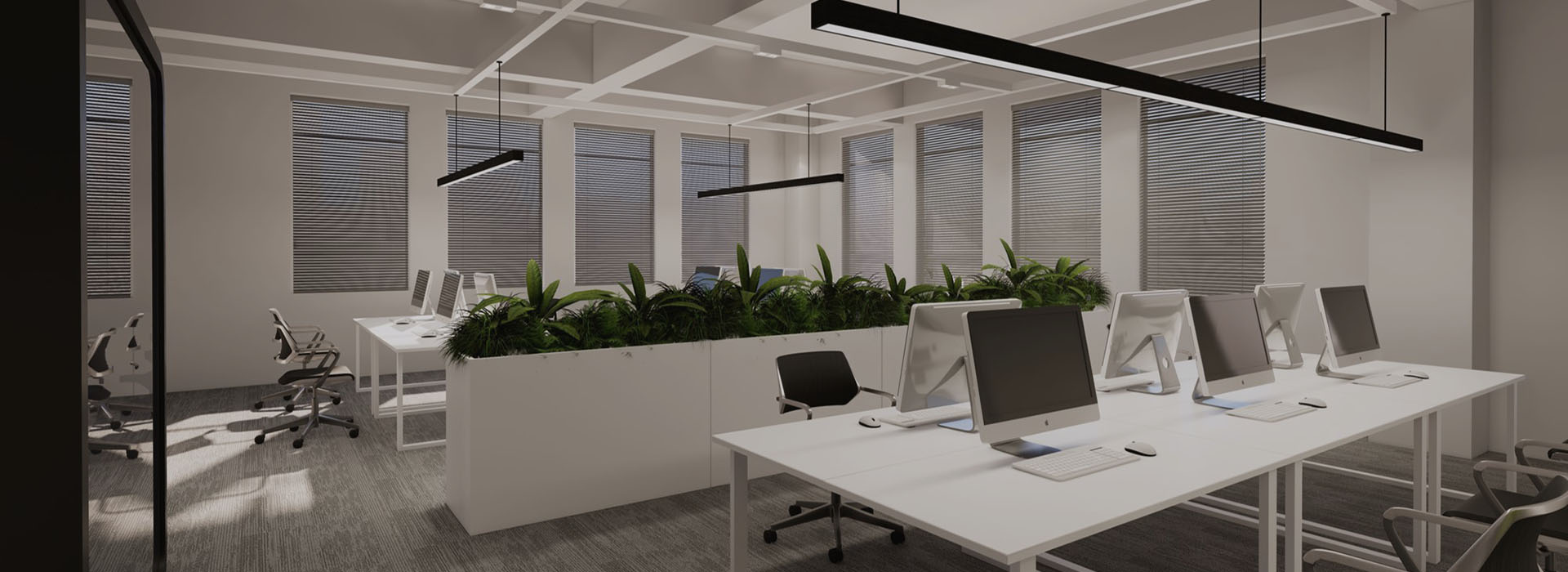
Decoration design requirements for banquet halls
The banquet hall requires an area of at least 300 square meters. With the development of the exhibition economy, in order to increase economic benefits, banquet halls not only provide banquets, but also offer other service items such as meetings, performances, T-shaped tables, large-scale exhibitions, etc. The functional layout of the banquet hall is shown in the diagram, which includes the following supporting functions
(1) The front room, located in the area in front of the lobby door, serves as a buffer zone for guests to rest before and during meetings. It can also provide tea services, as well as for customers to sign in, distribute gifts, materials, etc
(2) Reception hall, located near the entrance of the hall, used for VIP reception or rest
(3) Clothing and hat area, located in the front room area, using a semi enclosed design
(4) Toilet, located on the same floor as the banquet hall, should not be too close or too far away from the banquet hall. The number of toilets inside should be sufficient and can be shared with other service projects on the same floor. Please note that the exhaust effect inside the bathroom should be true exhaust
(5) The banquet hall has a relatively large area and should generally be equipped with activity partitions, which is beneficial for business. When there is a need for guests, two halves can provide medium-sized banquet services separately. Note that the activity partition should move flexibly and have sound insulation effect
(6) There is no fixed stage in the banquet hall to meet different types of activities, and the stage is assembled using building blocks
(7) Set up a sound and makeup room with water supply, two locations should be set up, and after the hall is divided into two parts, they should be used for two separate venues
(8) Set up a storage room for flipping tables and storing items
(9) Set up front and back service channels to connect the kitchen and banquet hall
(10) Set up an auxiliary kitchen, located on the same floor as the banquet hall, and the closer it is to the banquet hall, the better
(11) The air conditioning in the banquet hall should adopt a unit air supply type, and the computer room should be located near the banquet hall to avoid fan noise interference with the restaurant. Generally, there is a space partition between the computer room and the banquet hall. The air conditioning in banquet halls generally does not require fan coil units with fresh air to avoid affecting the decoration effect, causing management difficulties, and increasing energy consumption
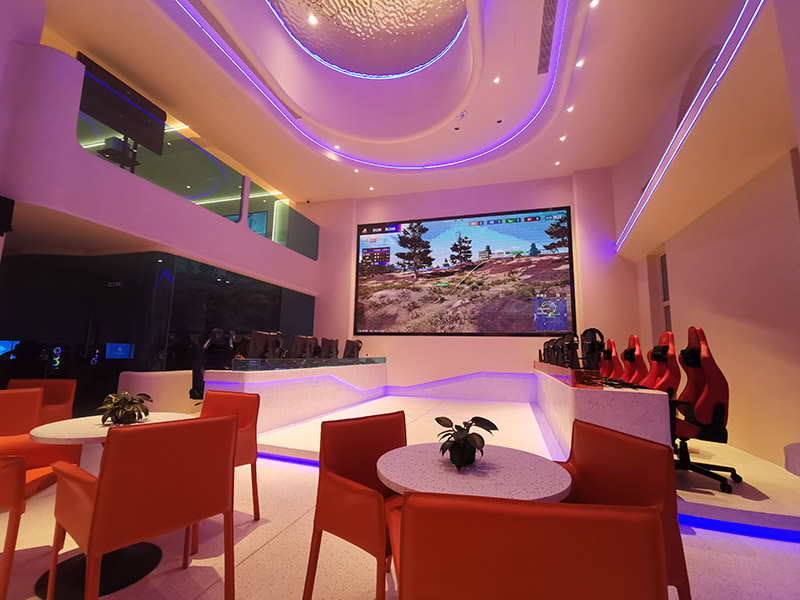
Decoration design requirements for Chinese restaurants
(1) The location selection of Chinese restaurants is very important. It is convenient for customers to enter and exit the Chinese restaurant, so it is generally located on lower floors, such as the first and second floors. This is very beneficial for relieving the pressure of elevator traffic
(2) The decoration style of Chinese restaurants should reflect the connotation of Chinese culture, such as using wooden structures at the entrance or foyer, decorated with red lanterns and Afu stickers, decorating the walls of the hall with wooden carvings and carved patterns, high backed chairs with a backrest height of about 1 meter, and dynamic decoration of waiter clothing in the restaurant, using local and traditional Chinese styles that are unique, such as printed and dyed fabrics. Chinese restaurants arrange their table positions and passageways according to the flow based on the size of the area
(3) Generally, a 10 person table layout is used, with a round table size diameter of d=1500mm x dining space/3 14 (cm), the seating area is set at 1.5-1.8 square meters per person, guests can freely sit and move around in the hall, and the waiter can provide high-quality service. In addition, the number of utensil cabinets in Chinese restaurants should not be too many, and their height should not exceed 1m (lower than the height of chairs), otherwise it will affect the overall viewing effect of the hall and distract guests
(4) The restaurant private rooms belong to the mid to high end consumption category. In order to meet the needs of customers, the area and decoration level of the private rooms are divided into large, medium, small, high, medium, and low categories. There are also movable partitions in the large private rooms to meet business needs. There is also a restroom in the high-end private room (separate for men and women). Before renovating the restaurant's private rooms, each room must be named, and the renovated effect should reflect the cultural connotations of the restaurant's name. Some restaurant private rooms also have dual aisles, namely guest aisle and service aisle, which has certain benefits:
a、 Less cross cutting in service, higher grade
b、 Quick service (short walking distance)
c、 Protect the cleanliness of the guest passage floor (such as carpet), and if there is a sofa rest area in the private room, it should be placed on the side near the entrance
Decoration design requirements for Western restaurants
(1) Compared to Chinese restaurants, Western restaurants can be located in quieter areas. If they are on the same floor as Chinese restaurants, Chinese restaurants are closer to the entrance hall, while Western restaurants are closer to the inner side
(2) The functional layout of Western restaurants should consider the flexibility of table placement, as Western restaurants are sometimes arranged as self-service restaurants according to business needs. For example, many domestic hotels allow guests to have breakfast in self-service Western restaurants
(3) The dining tables in Western restaurants are mostly square tables (900 x 900) or long tables, and the seats are often arranged in a semi private room style along the walls or partitions to provide a sense of privacy protection
(4) Western restaurants can use both soft and hard flooring. A kitchen should be set up on the same floor, and a dual channel double door structure should be installed between the dining room and the kitchen to ensure the level
Common dimensions of catering facilities
(1) The minimum width of the restaurant service aisle is 900mm; the minimum width of the passageway is 250mm
(2) The minimum width of the dining table is 700mm; the four person square table is 900X900mm; Four person long table 1200X750mm; Six person long table 1500X750mm; Eight person long table 2300X750mm
(3) Minimum diameter of round table: 750mm for 1-person table; 850mm for 2-person table; 1050mm for 4-person table; 1200mm for 6-person table; 8-person table 1500mm
(4) Table height 720mm; dining chair seat height 440-450mm
(5) Bar counter fixed stool height 750mm, bar counter tabletop height 1050mm, service desk tabletop height 900mm, footrest height 250mm
Requirements for catering decoration configuration
1. The ground of the processing room is constructed of hard materials, with a certain slope and drainage facilities such as floor drains, and equipped with a cloth pool
2. All wall surfaces in the processing room are made of white tiles or other light colored, waterproof, moisture-proof, and easy to clean hard materials
3. The products in the rough processing room (area) should be washed separately with one cleaning pool for poultry food, one for seafood food, and one for vegetable food. The cleaning of meat and vegetables for Western cuisine, Japanese and Korean cuisine should not be connected
4. There should be a dedicated area for cleaning and disinfecting tableware. If chemical disinfection is used, three water tanks with sufficient capacity should be configured (generally the minimum size is 500mm wide for a single star); And install a sealed tableware storage cabinet. There is a sealed garbage container.