
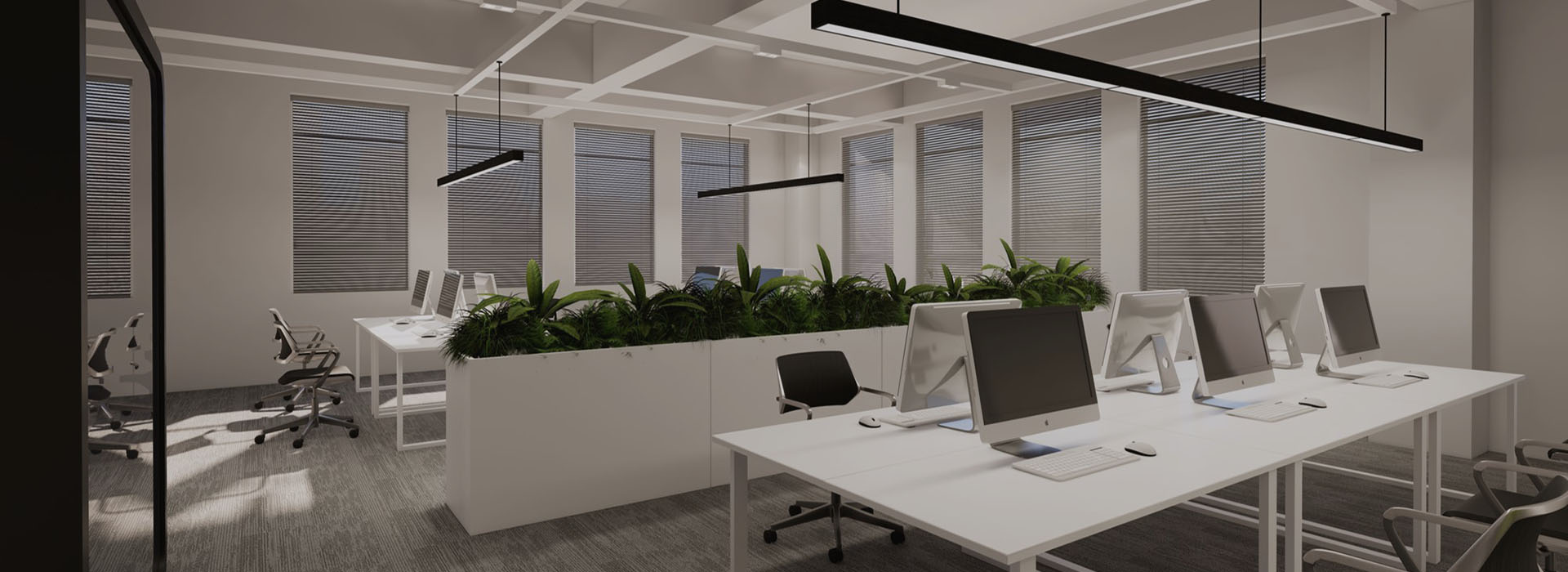
Restaurant lighting design is a comprehensive process that involves multiple aspects, including the selection of lighting methods, control of illuminance and brightness, consideration of light color and color rendering, selection and arrangement of lighting fixtures, and the combination of overall and local lighting. These factors work together to create a comfortable and attractive dining environment
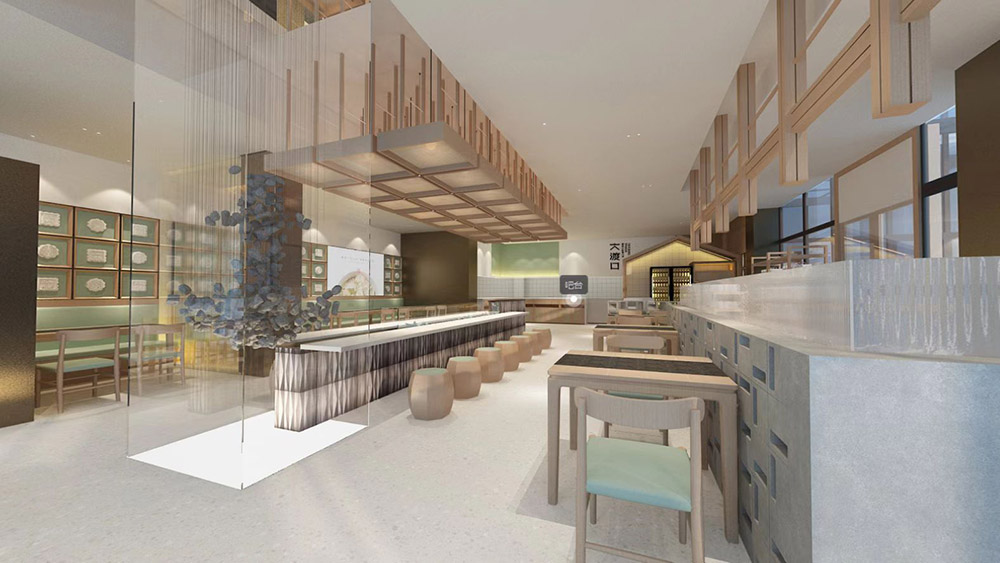
(1) The choice of lighting mode: The lighting mode of the restaurant should be selected according to the type, style, and functional requirements of the restaurant. For example, fast food restaurants may only require general lighting, while upscale restaurants may require more detailed zoning lighting and localized lighting to create a more comfortable and romantic atmosphere
(2) Illumination and brightness control: Illumination and brightness control need to be moderate, meeting the basic dining needs of guests while creating a comfortable lighting environment. The illumination should be uniform and there should be no areas that are too bright or too dark; The brightness should be coordinated with the overall atmosphere of the restaurant, and should not be too dazzling or dim
(3) Consideration of light color and color rendering: Light color and color rendering are important factors that affect the light environment. The color of the dining space should choose warm and soft tones, such as warm white, amber, etc., to create a comfortable and warm atmosphere. Color rendering should take into account the color expression of food and beverages, and strive to restore the true color of the food as much as possible to increase customers' appetite
(4) The selection and arrangement of lighting fixtures: The selection and arrangement of lighting fixtures are crucial for creating a lighting environment. When choosing lighting fixtures, consideration should be given to the style, theme, and functional requirements of the restaurant, while also paying attention to the lighting and decorative effects of the fixtures. The arrangement of lighting fixtures should be reasonable, taking into account factors such as the position, height, and angle of the fixtures to ensure the uniformity and comfort of the lighting environment
(5) The combination of overall and local lighting: Overall lighting and local lighting have their own characteristics, and overall lighting provides basic brightness to meet basic lighting needs; Partial lighting can highlight key areas or specific targets, such as bars, specialty dishes, etc. By combining overall lighting with local lighting through reasonable design, a richer and more layered lighting environment can be created
(6) The combination of dynamic and static lighting: Dynamic lighting can increase the fun and activity of the space, making the lighting environment more vivid and colorful; Static lighting provides a stable and comfortable dining environment. In the design of dining spaces, dynamic and static lighting should be used reasonably according to needs to create an ideal dining atmosphere. In summary, restaurant lighting design is a complex process that requires comprehensive consideration of multiple factors. Through reasonable planning and design, a dining environment that is both beautiful and practical can be created, enhancing customers' dining experience