
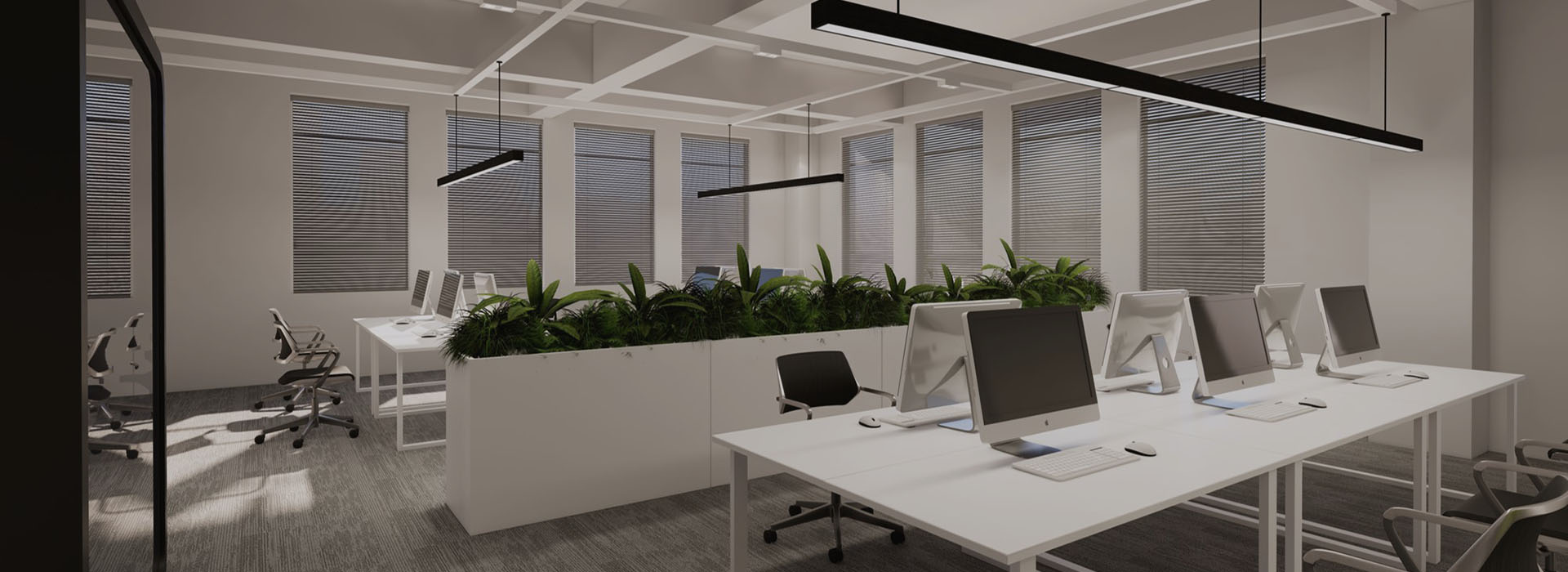
Commercial space design is a way of creating a commercial environment that combines dynamic display methods and interactive experiences, covering space planning, display design, and technology integration, applied to exhibition halls, shopping malls, and other scenarios. Its core lies in enhancing audience participation through the combination of specimens and living organisms, the fusion of sound, light, electricity, and physical electronic interaction, and utilizing automated exhibition equipment such as rotating tables and electric models to achieve multi-dimensional display effects. The design focuses on spatial fluidity, using straight and diagonal channels to guide pedestrian flow, and combining virtual projection with real installations to create an immersive environment. This design is based on brand positioning, integrating lighting, multimedia technology, and intelligent devices to enhance sensory stimulation through elements such as lighting levels and open shelves. The dynamic display forms include character flow (linear and diagonal), exhibit flow (physical characteristic movement), exhibit flow (rotating table, robot waiter), and spatial flow (virtual roaming, exhibition hall rotation). Modern development introduces multi sensory interactive technologies, such as AR/VR, digital screens, and olfactory experience design, to construct an interactive space that integrates virtual and real elements. The design principles emphasize the authenticity of information, environmental coordination, and intuitive aesthetic effects, ultimately achieving the unity of functionality and brand communication.
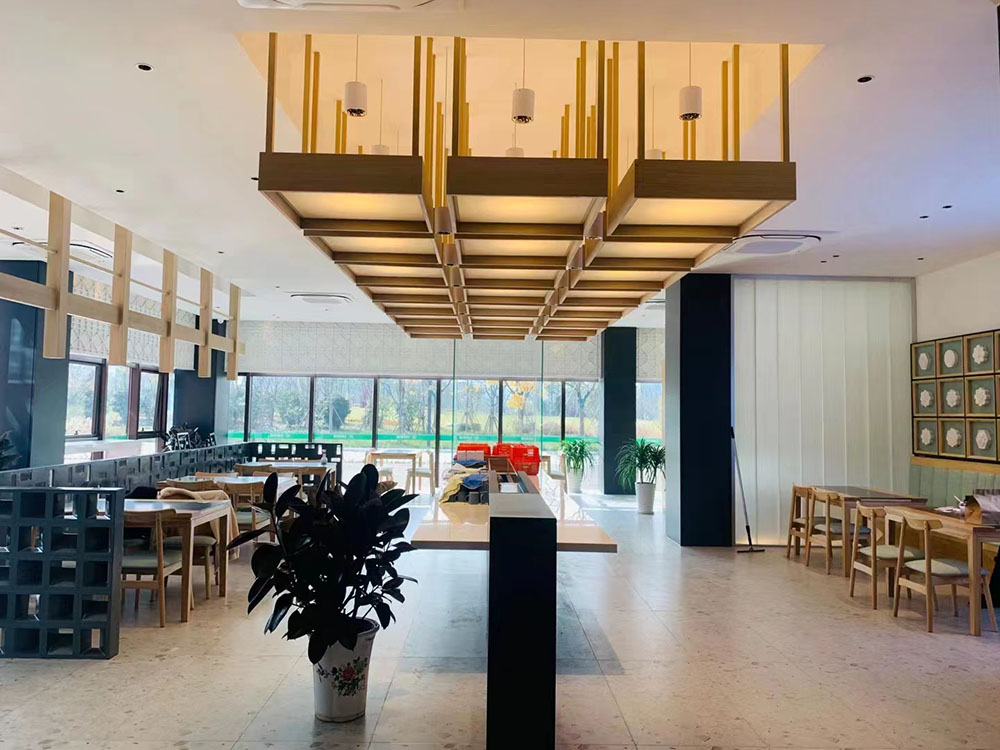
Commercial space design form
Dynamic display is commonly used in large fixed display spaces, such as exhibition halls and museums. The use of high-tech and modern display methods to make the science museum more in line with the requirements of the times mainly includes the following forms:
1. The combination of specimens and live organisms for display, such as the large ecological fish tank in the Biological Wanxiang Exhibition Area of the Shanghai Science and Technology Museum, where various live fish schools are placed, is highly favored by the audience;
2. Combining indoor display with outdoor display, placing certain exhibits in the open air can bring them closer to nature and shorten the distance between them and the audience. This novel and realistic form of "returning to nature" is very suitable for the aesthetic taste of contemporary people;
3. The combination of motion and stillness, cleverly utilizing modern single image technologies such as slides, holography, laser, video, film, multimedia, and virtual reality technology, expands static exhibits, creating a lively and lively display environment with a lively atmosphere, and creating an immersive effect;
4. The combination of physical objects and electronic information, through an electronic navigation system, enables the search for an ideal visiting route, and the detailed understanding of the displayed knowledge content through a computer Q&A machine. The combination of testing, viewing, and participation also satisfies the audience's autonomy.
In commercial display activities, such as clothing displays, car displays, etc., dynamic displays make the display vivid and give the display space a vitality. Such as visual impact, auditory infectivity, tactile activation, taste and olfactory stimulation, attract customers' attention through entertainment colored environments, atmospheres, product displays, and promotional activities, improve their memory of exhibits, and make display spaces more vivid and intuitive than mass media advertising, making it easier to stimulate purchasing and consumption behavior.
1、 The flow of characters
According to the layout of shopping malls, the scientificity of customer channel design directly affects the reasonable flow of customers. Generally speaking, there are several forms of channel design: 1. Linear style, also known as grid style, refers to all counter equipment being arranged at right angles to each other, forming a winding channel; 2. The advantage of diagonal channels is that they allow customers to browse freely, create an active atmosphere, and make it easier for customers to see more products, increasing their purchasing opportunities; 3. Free scrolling layout refers to various combinations formed based on the characteristics of goods and equipment, either independently or aggregated, without a fixed or specialized layout form, and the sales form is also not fixed. Such as using space such as storefront corridors to establish relatively loose three-dimensional advertising materials. Communicate with customers with cute animals dressed up as foreign image girls or living people, set up dynamic POP advertisements in places where customers circulate, such as elevators and corridors, and use mechanical equipment such as motors or natural wind power to dynamically display advertising designs.
2、 Flow of exhibits
Effectively utilizing the physical, chemical, and other characteristics of the exhibits themselves to engage in movement and showcase their unique features, such as displaying cars, breaking through static placement, placing cars on highways, organizing team competitions, parades, etc. When Nissan Fengshen sedan entered the Chinese market, it held the "Fengshen One liter Oil City Rally", using one liter of oil to test the farthest journey in different cities and locations, attracting the attention of consumers and test drive drivers from all over the world, and showcasing the characteristics of the car that can be driven.
By using some special dynamic display racks, products can move and rotate in a regular manner when placed on them. The clever use of lighting effects can also create a dynamic effect of static objects. Cleverly changing and flickering or supplemented with dynamic structured fonts can create a dynamic feeling; In addition, flow characteristics can also be added to exhibits without flow characteristics. 1. The dynamic display of books, the display of book design is open, using multimedia, book unfolding, local enlargement, commentary and explanation, rotating bookshelves, and even the window display of clothing stores, which can create the illusion of models in motion with colorful flashing lights and flowing lighting.
3、 Flow of exhibition equipment
By using automatic devices to present the exhibits in a moving state, common sports exhibitions include: 1. Rotating tables with electric motors installed on the pedestal. Large rotating tables can hold cars, while small ones can hold jewelry, mobile phones, computers, etc. The advantage is that the audience can view the exhibits from all angles, and the viewing opportunities are equal regardless of their position. This can improve the utilization rate of the exhibits and fully realize their value; 2. Rotating frame, which mainly rotates in the longitudinal plane, has the advantage of fully utilizing high-rise space; 3. Electric models, human figures, animals, machines, and transportation vehicles can all be made into electric models to move according to the needs of display, such as trains crossing caves, cars crossing bridges, rockets launched into space, birds and animals roaring in the forest, etc. Seeing the big picture from the small creates a lively atmosphere and enhances the viewer's perception and enjoyment; 4. Robot servers communicate with the audience through the rotation, walking, speaking, and playing music of the robot, or provide simple service programs to make the display more vivid and interesting; 5. Half scene painting and panoramic painting create a realistic sense of space and the state of the event. The method is to draw a strong three-dimensional image behind the physical object or use high-tech large screen projection and other means to install a fake distant view, creating a strong sense of spatial hierarchy and making the originally plain things become real. If combined with electric models, lighting and sound will produce a stage effect, making the audience feel like they are there.
4、 Spatial flow
There are mainly two types: virtual spatial flow, which forms a spatial change through high-tech imaging and other means, making the space a flowing space, making people feel like they are wandering in the space. The second is the flow of real space, such as the rotation of the entire exhibition hall and the promotion of advertising vehicles everywhere, all of which bring the exhibits closer to the audience and better promote the products.
Modern display should abandon the previous practice of displaying single products and become a complete humanized space. It must have several display spaces, such as commodity space, such as counters, windows, shelves, platforms, etc; The second is the service space; The third is customer space. Mobilize all possible cooperation factors in the entire exhibition space, try to be distinctive in modeling design, try to be original in color, lighting, and decoration techniques, make the display life oriented, humanized, and on-site in the layout, promote the hands-on operation experience of the audience in the way of visiting, actively participate in activities to form interaction, and can also set up a reception hall, lounge or give small gifts, send brochures and other flexible and diverse services in the exhibition area, so that the entire exhibition space and process are complete, making people feel that they are not watching the commodity exhibition but enjoying it.
Commercial Space Display Design
The connotation of spatial display design is rich and the forms are diverse. Therefore, spatial display design is a highly comprehensive design discipline that needs to draw on the knowledge and concepts of related design disciplines: environmental art, visual communication, stage art, industrial design, display, multimedia design, architectural design, advertising creativity, etc. But perhaps due to the strong marginalization of display design, people overlook its essential and unique content, making it difficult to form a clear and independent discipline. So, what is the foundation of spatial display design? By comparison, architecture and environmental art emphasize the pursuit of spatial imagery and living environment, industrial design focuses on people's ordinary lives, visual communication mainly conveys information through two-dimensional planes, and multimedia focuses on the sensory stimulation brought by virtual environments. Exhibition design is the process of using artistic techniques to convey valuable information about things within a certain space and time. From this, it can be seen that the uniqueness of spatial display design lies in the visual communication of information in the space.